Do Games Create Meaning, or Do Players Bring Meaning Into Them?
Why Do We Feel So Differently About the Same Game?
Two players can play the same game and walk away with completely different feelings.
Some might feel deeply moved. Others might feel frustrated, disconnected, or even angry. What’s interesting is that the game itself hasn’t changed—only the player has.
This is especially true for The Last of Us Part II, a game that sparked extremely divided reactions. Some players praised it as emotionally powerful, while others rejected it entirely.
This makes me wonder: do games actually create meaning, or do players bring meaning into them?
Using The Last of Us Part II as an example, I think the answer is somewhere in between. The game clearly tries to shape how players feel, but at the same time, it cannot fully control how those feelings are received.

A Game That Actively Shapes Emotion Through Play
The Last of Us Part II is a game with very strong authorial intent. It doesn’t just tell a story—it carefully designs how players are supposed to feel at different moments. This is not only done through cutscenes, but through gameplay itself.
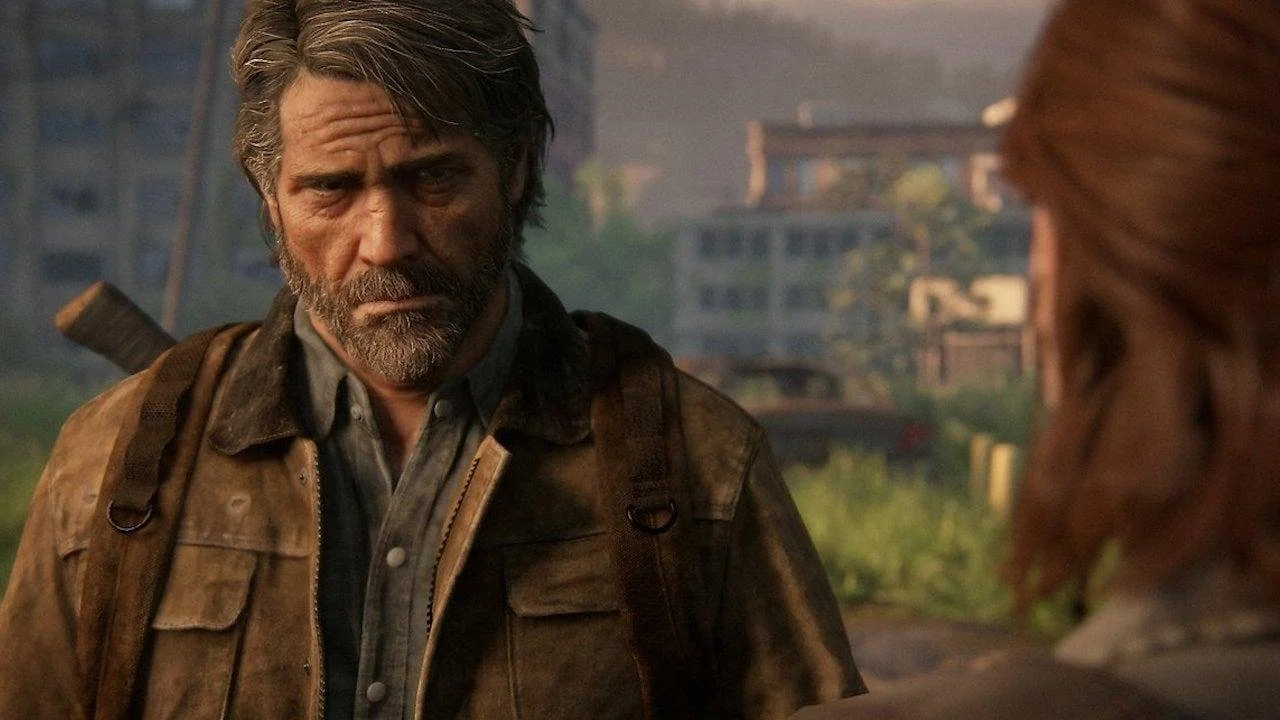
Early in the game, players control Ellie, who is driven by revenge after witnessing Joel’s brutal death. This moment is not distant or abstract—the player is forced to watch it happen, unable to intervene. From that point on, the gameplay reinforces Ellie’s emotional state. Combat becomes frequent and intense, and players repeatedly engage in violent encounters. The game does not allow emotional distance. You are not just watching revenge—you are carrying it out, action by action.
Over time, this creates a sense of exhaustion and discomfort. The violence is not framed as empowering traditionally. Instead, it begins to feel heavy, repetitive, and morally ambiguous. Through its mechanics, the game is trying to shift how the player feels about what they are doing.
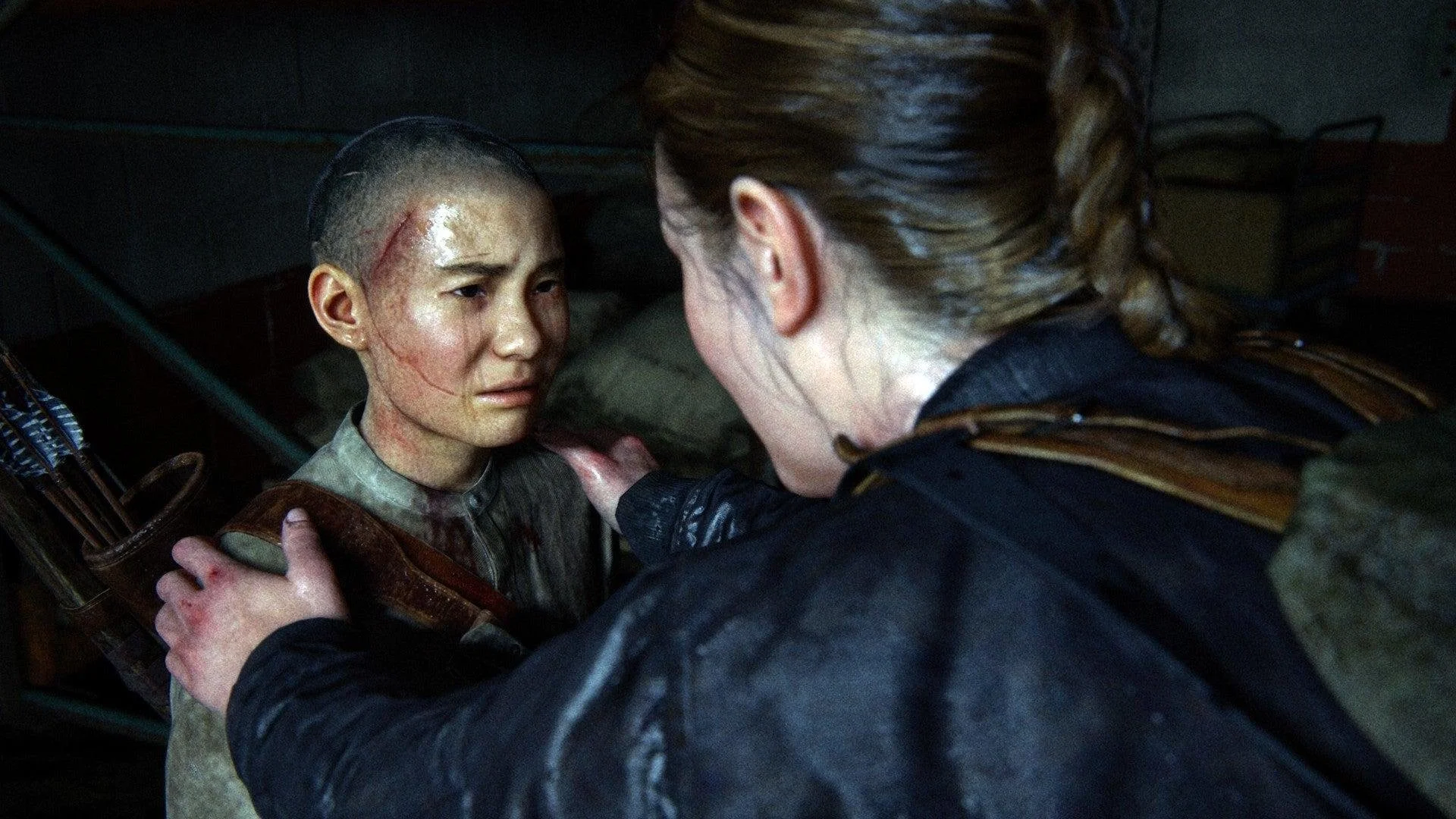
Then, about halfway through the game, something more disruptive happens. The perspective shifts entirely, and players are forced to play as Abby—the very character responsible for Joel’s death. This is not optional. The game does not ask for your acceptance. It simply removes control and gives it back in a different context.
At this point, the game begins to reconstruct meaning. It shows Abby’s background, her motivations, and her relationships, slowly reframing her not as a villain, but as another person shaped by loss. The same actions—violence, survival, loyalty—are now experienced from the opposite side.
In this sense, the game is not just presenting a story. It is constructing an emotional experience through both narrative and interaction.

When Meaning Doesn’t Land
However, even with such careful design, the game's meaning does not always land as intended.
Some players accept the emotional shift and begin to empathize with both Ellie and Abby. For them, the game becomes a reflection on cycles of violence and the cost of revenge.
But other players reject this shift entirely. Instead of feeling empathy, they feel resistance. Being forced to play as Abby does not create understanding—instead, it breaks immersion or feels like manipulation.
What is interesting here is that nothing in the game changes. Everyone experiences the same scenes, the same mechanics, the same structure. And yet, the meaning that emerges can be completely different.
This suggests that meaning is not something the game can fully deliver. It depends on how the player responds.
Meaning as Interaction
Players do not enter a game as empty vessels. They bring their own expectations, values, and emotional boundaries.
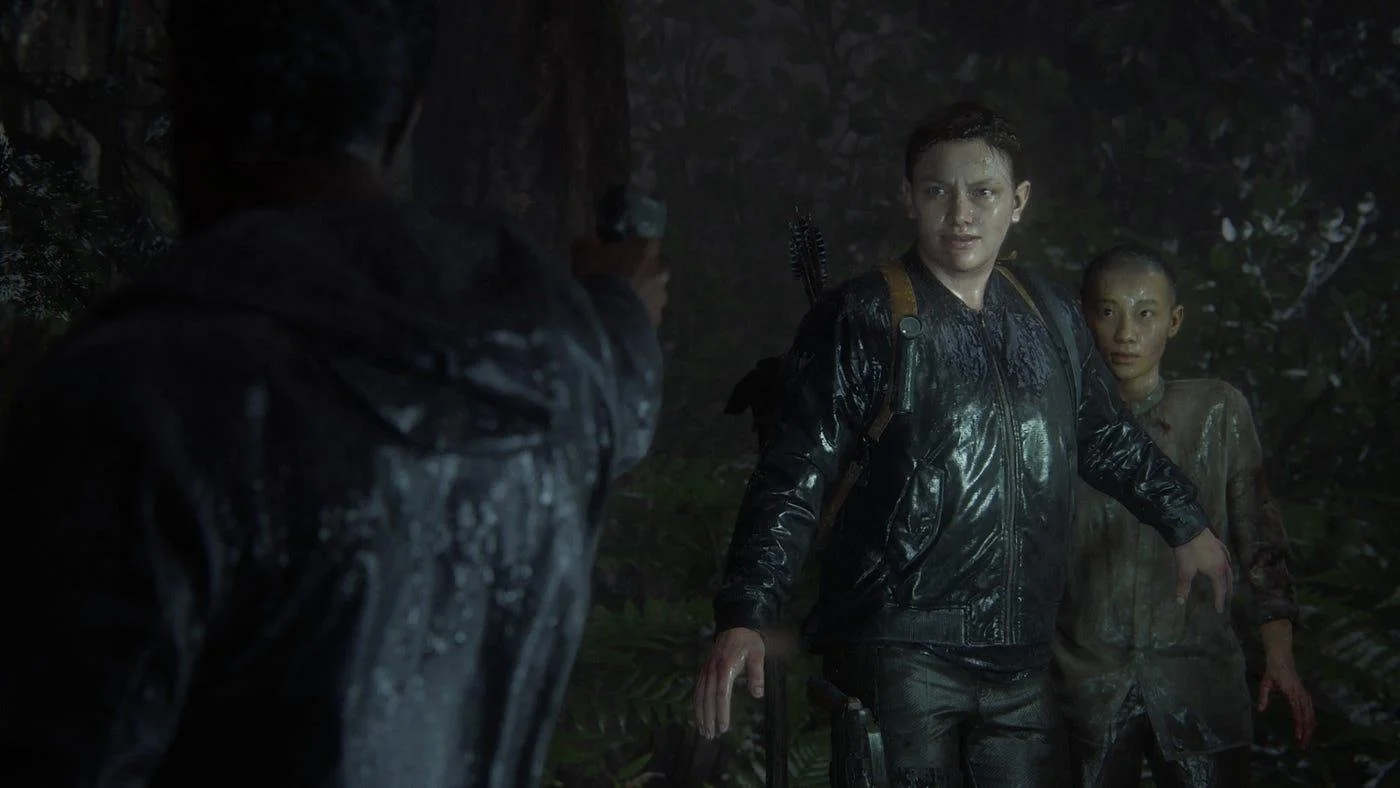
In The Last of Us Part II, this becomes very clear. The game asks players to reconsider their initial judgments and to empathize with someone they were first taught to hate. But whether that empathy happens depends on the player, not just the design.
Some players are willing to let go of their initial perspective and follow the game’s emotional arc. Others hold on to their original attachment to Joel and Ellie, and resist the shift entirely.
In this way, meaning is not fully created by the game, nor entirely brought in by the player. It emerges from the interaction between the two.
Where Meaning Actually Happens
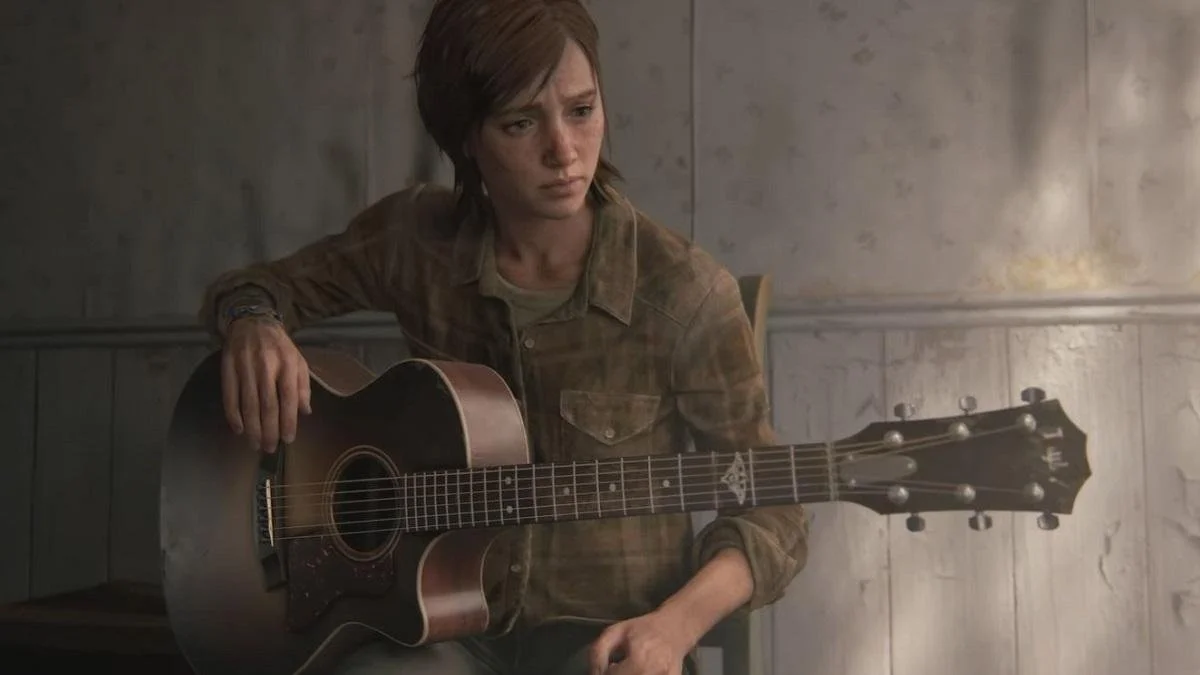
I think what stayed with me after finishing The Last of Us Part II wasn’t just the story itself, but how conflicted I felt while playing it. There were moments where I understood what the game was trying to say, but I didn’t want to agree with it. And that feeling didn’t go away—it stayed even after I stopped playing.
Maybe that’s where meaning really happens. Not in what the game tries to tell you, but in the space where you resist it, question it, or even reject it. In that sense, the game doesn’t just give you meaning—it leaves something unfinished, and you have to decide what to do with it.