When “Indie” Looks Like AAA: Rethinking Scale, Value, and Perception in Expedition 33
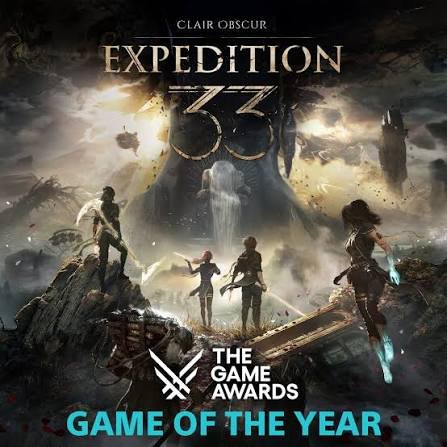
Clair Obscur: Expedition 33 quickly became one of the most talked-about RPGs after its release. With its cinematic visuals, strong art direction, and overall polish, it is often compared to large AAA titles. At the same time, it is also frequently described as an indie game, which has led to confusion and even controversy.
This contradiction made me start thinking about a larger question:
When a game looks big, polished, and expensive, what are we actually responding to? And more importantly, does scale really mean quality, or does it just shape how we perceive value?
When a Game Feels “Big”
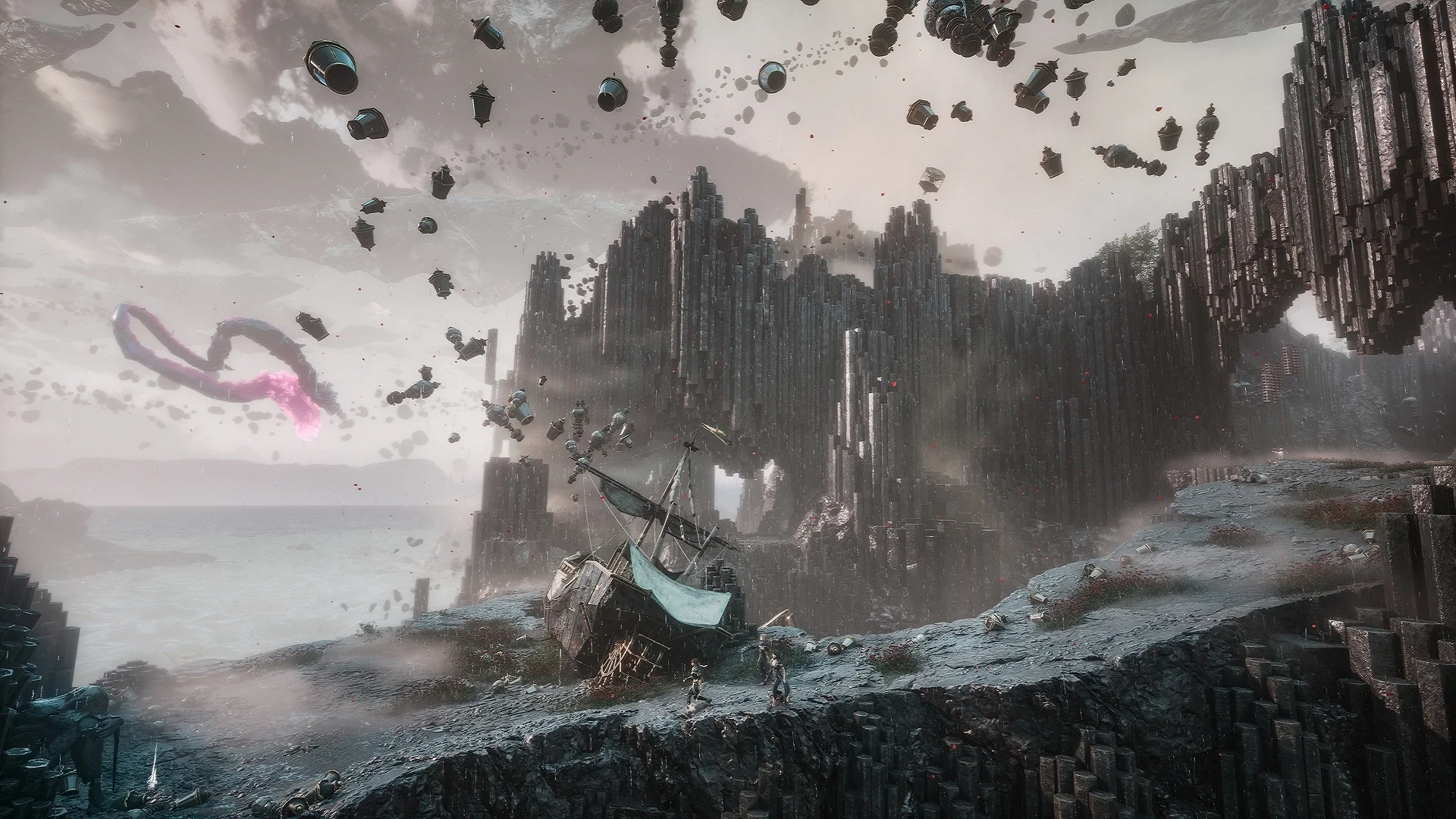
One of the first impressions of Expedition 33 is its scale. The use of Unreal Engine 5, detailed environments, and cinematic presentation immediately signal a high level of production. These elements create a strong sense of quality before the player even fully understands the mechanics.
In many cases, players associate this kind of scale with value. Bigger visuals, more content, and higher production often suggest a better game. This connection feels natural, especially in an industry where technological progress is so visible.
But this assumption also raises a question: are we responding to the actual experience, or just to how the game presents itself?
A Small Team, or Something Else?
Part of the discussion around Expedition 33 comes from how it is positioned. It is often described as being made by a small team, but in reality, the situation is more complex.
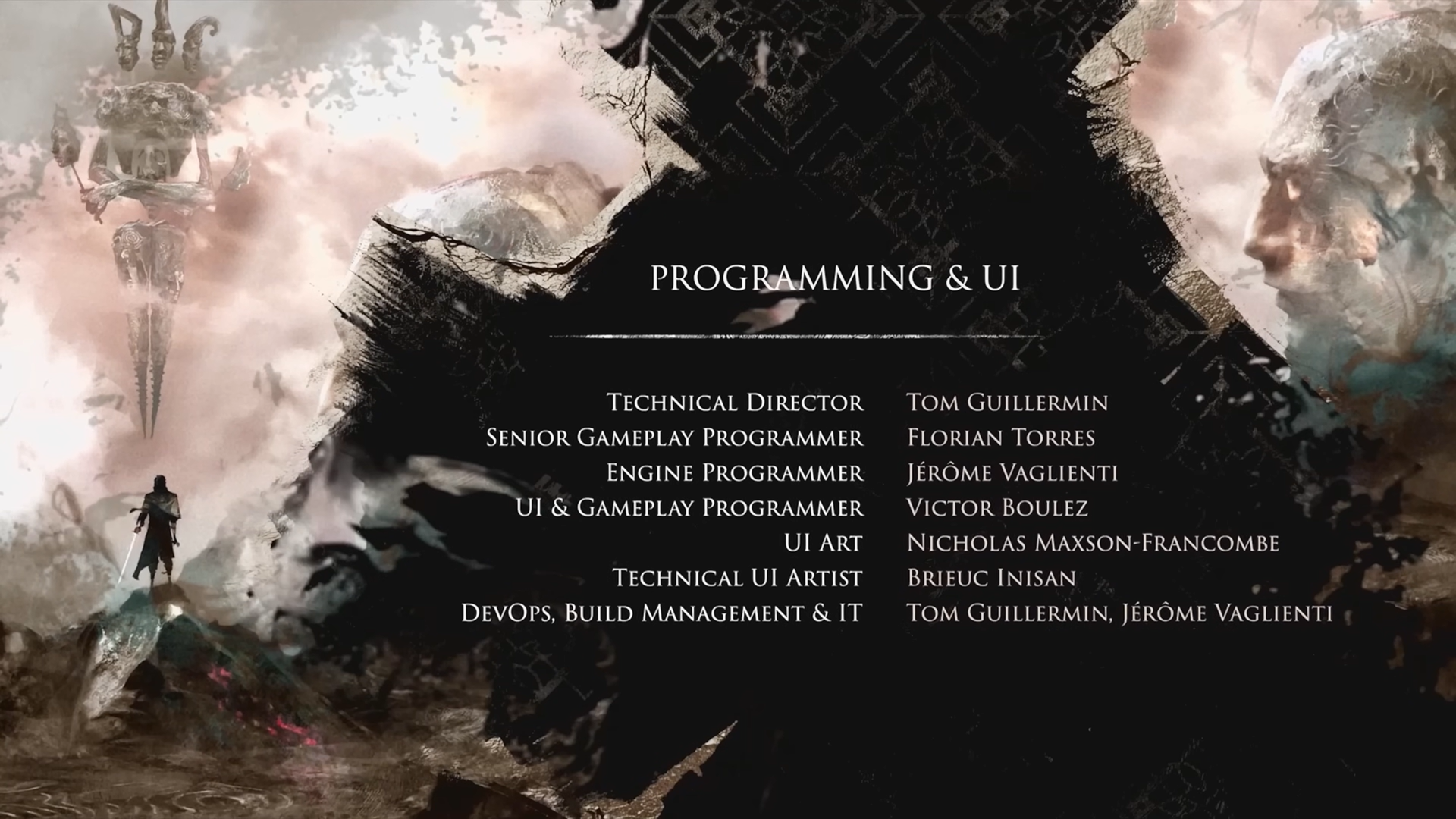
While the core team is relatively small, the production involves external studios, outsourcing, and publishing support. Hundreds of contributors appear in the credits, covering areas like animation, localization, and marketing. This makes it less of a purely “indie” production and more of a distributed production system.
This raises an important question: If a game is built through a large network of resources, can it still be understood as indie?
When “Indie” Becomes a Feeling
What makes this even more interesting is how the term “indie” itself seems to be changing. Traditionally, indie referred to small teams, limited budgets, and creative independence. But in cases like Expedition 33, the label feels less like a production category and more like a perception.
Even with large-scale support and advanced tools, the game is still often discussed as indie. This suggests that players are not defining indie based on how a game is made, but on how it feels—its tone, focus, and artistic identity.
In that sense, “indie” is no longer about size, but about presentation.
AI, Authorship, and Control
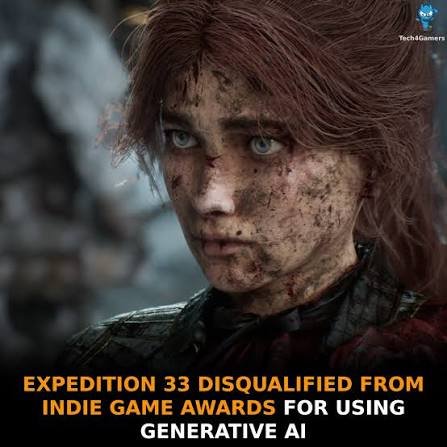
The use of AI in the production process adds another layer to this discussion. Even limited use of generative tools has sparked debates about authorship and creativity.
If parts of a game are generated or assisted by AI, what does it mean for the work to be “crafted”? And how does this affect the way players perceive authenticity?
Combined with outsourcing and large-scale collaboration, AI further complicates the idea of a single creative source behind a game.
Scale, Content, and the Illusion of Value
What Expedition 33 ultimately highlights is a shift in how we evaluate games.
More content and larger scale can create a stronger impression of value, but they do not necessarily improve the experience itself. In some cases, they may even distract from what actually makes a game meaningful.
As production tools become more powerful and content becomes easier to generate, the industry is moving toward a space where scale is no longer rare. In that environment, value is less about quantity and more about how experiences are shaped.
Conclusion
Expedition 33 is not just interesting as a game, but as a case that challenges how we define value.
It shows that scale, production methods, and labels like “indie” or “AAA” no longer have clear meanings. Instead, what matters more is how these elements are perceived by players.
Maybe we are no longer judging games by what they are, but by what they appear to be.