How Social Presence Creates Responsibility in Multiplayer Games
Unexpected Behavior
I’ve noticed myself doing strange things in multiplayer games.
I rush forward even when I know I might die. I stay behind to protect friends even when there is no punishment for leaving. I feel nervous, guilty, and excited, even though I know it is “just a game.”
From a logical perspective, none of this makes sense. There are no real consequences, no permanent loss. But the emotions feel real.
Social Courage
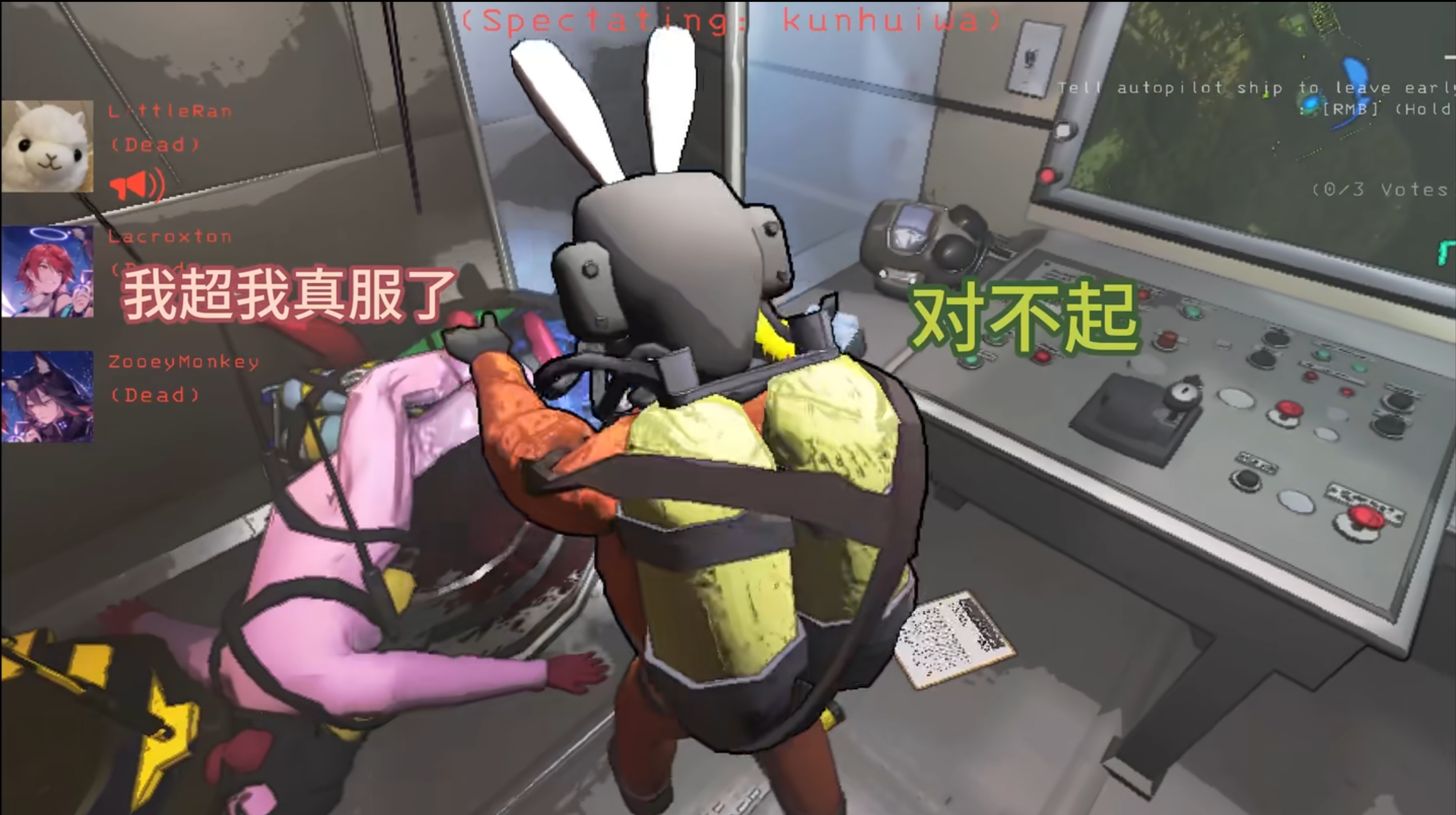
In Lethal Company, the objective is simple: reach the required quota for each mission. When I play alone, the game feels empty and frightening. I hesitate to enter dark areas and avoid taking risks. Fear feels heavy, and the experience becomes dull.
But when I play with friends, everything changes. The horror turns intense and almost heroic. I’m suddenly willing to explore dangerous spaces with them. Without being asked, I often become the one who moves forward first, opening paths and taking risks. Playing together makes me braver than I normally am.
Choosing Loss Over Abandonment
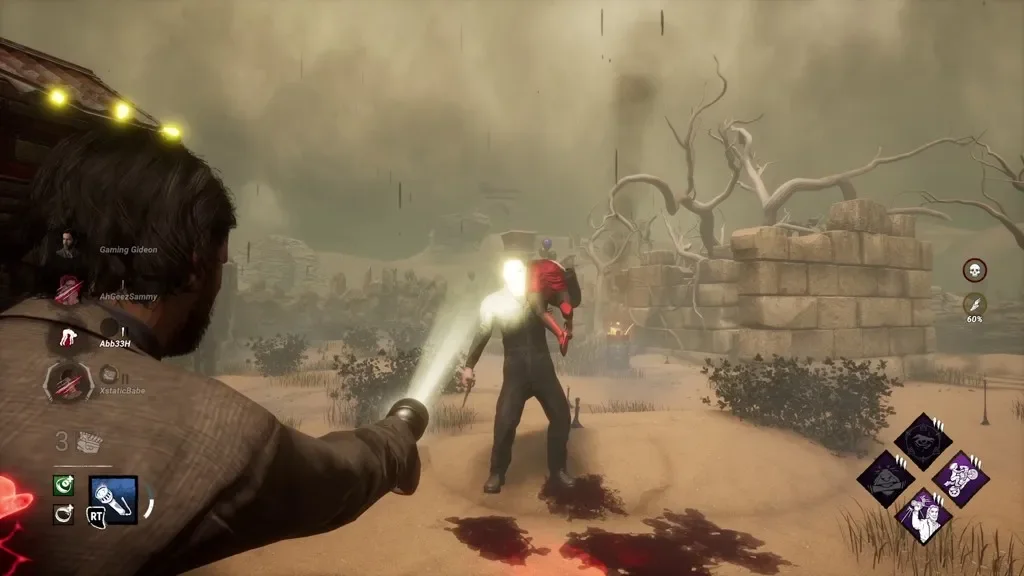
I felt this even more clearly in Dead by Daylight.
Sometimes, three of us could escape and secure a win. Yet I chose to stay behind to rescue a teammate who was hooked. I knew leaving was the safer option. I knew staying might cause us to lose. Still, abandoning a teammate felt worse than losing the match.
The game does not punish me for leaving. But emotionally, it does.
Emergent Roles
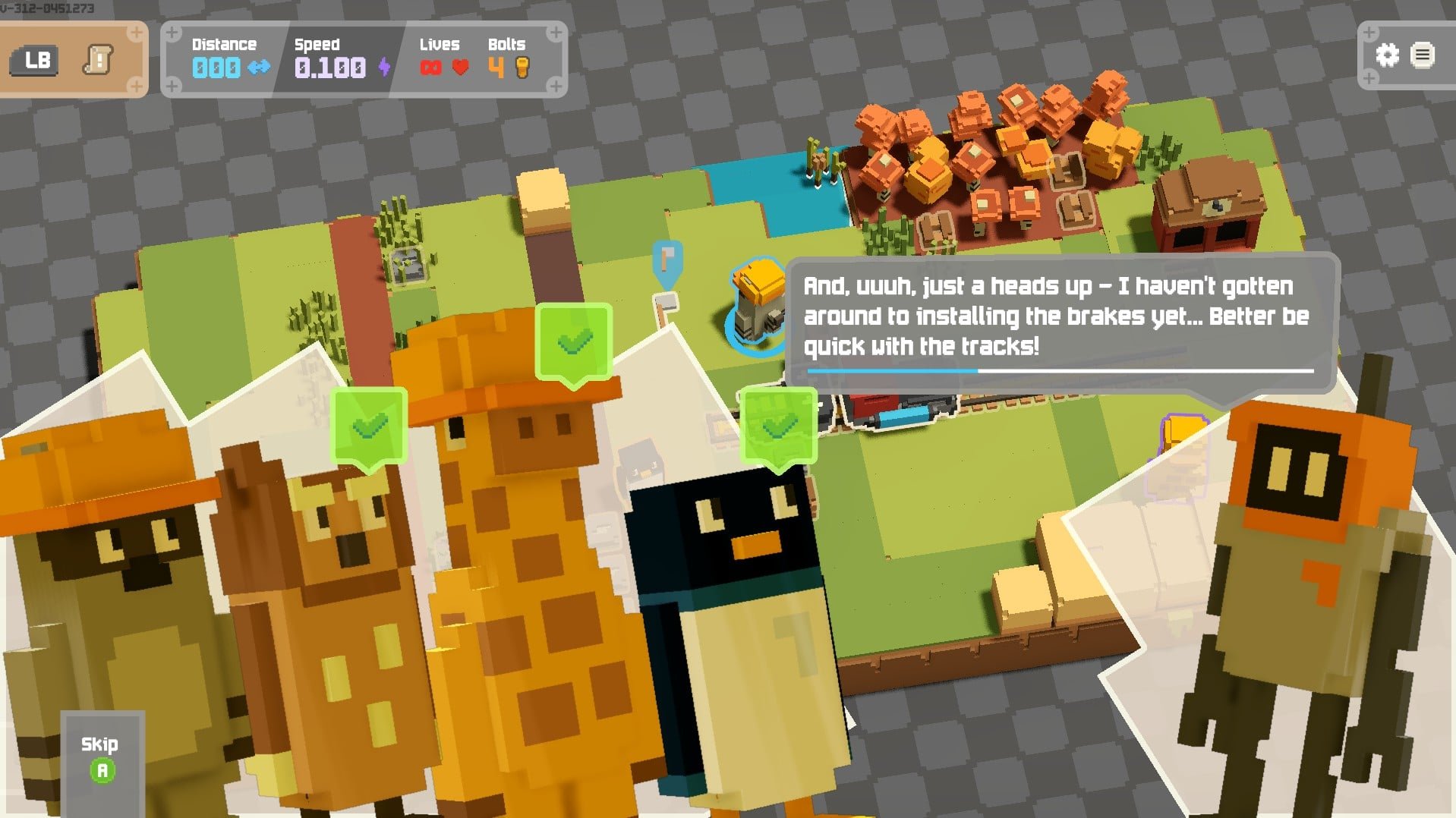
In games like Unrailed! and Overcooked, the system never clearly assigns roles. There is no rule that tells us who should do what. Yet when playing with friends, responsibilities naturally emerge. Someone focuses on building, someone manages resources, someone watches the timer.
We talk constantly—often more than in many mechanically complex co-op games. Responsibility emerges not because the game demands it, but because we are aware of each other.
Emotional Deception
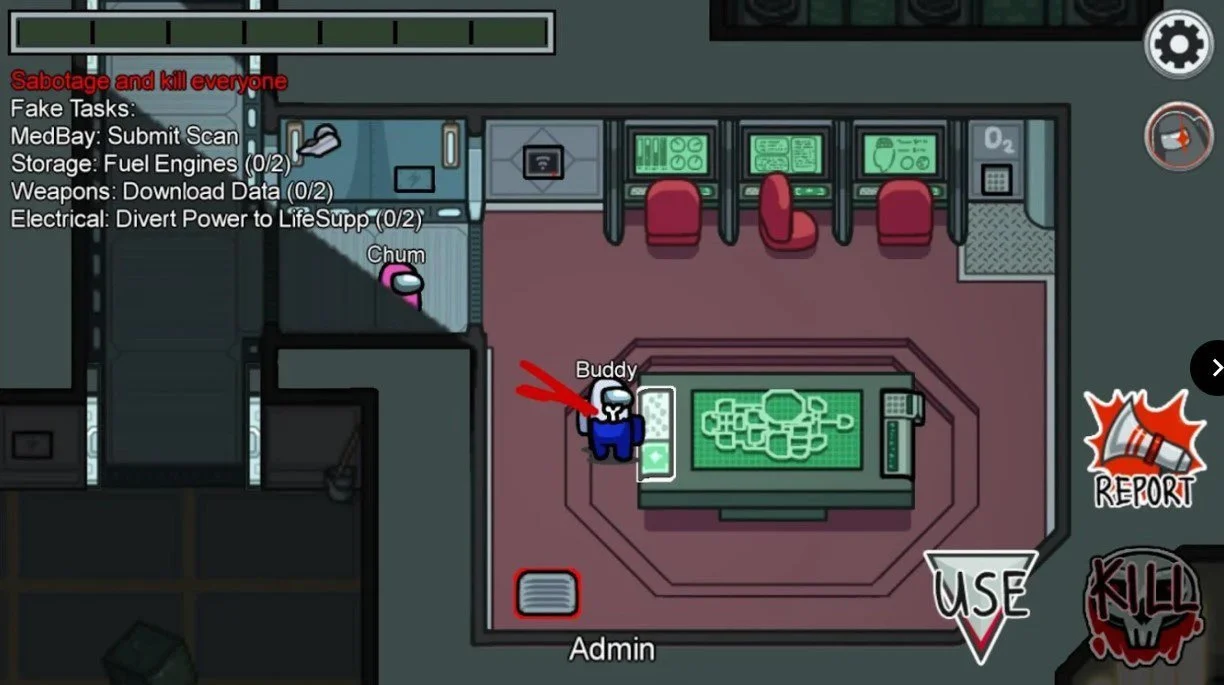
This becomes even more complicated in social deduction games like Among Us and Project Winter.
When friends trust me, I feel proud—and afraid. Pretending to be innocent is exciting, but also stressful. I worry about being discovered, not only because I might lose, but because I don’t want to betray that trust.
Even when everyone knows it’s a game, emotions don’t fully turn off.
Social Responsibility
Through these experiences, I realized that responsibility in games does not always come from consequences.
It often comes from presence. Being seen, being expected, and being remembered by others turns low-stakes systems into emotionally meaningful experiences.
Players don’t just play the game—they perform roles for each other.
The Cost of Caring
However, this sense of responsibility does not always feel good.
When social presence increases emotional stakes, failure becomes heavier. Losing no longer feels like a simple reset—it feels like letting someone down. Mistakes can lead to frustration, self-blame, or silence after a round ends.
What once felt exciting can slowly turn into pressure.
Different Players, Different Thresholds
Not every player experiences this responsibility in the same way. Some players enjoy the emotional intensity and feel motivated by it. Others may feel overwhelmed and withdraw, especially when playing with people they care about.
Social presence amplifies emotion—but whether that amplification feels rewarding or exhausting depends heavily on the player.
As a designer, this has changed how I think about multiplayer games.
Instead of asking how to punish players for failure, I’m more interested in how games make players care about each other. Designing for social presence also means designing for emotional safety—allowing space for recovery, humor, and release.
Sometimes, simply placing real people in the same space is enough to create responsibility.