Why Did Life Is Strange Lose Its Emotional Power Over Time?

The Return That Sparked Excitement — and Doubt
When I first heard about the new release Life is Strange: Reunion, I felt genuinely excited. Seeing Max and Chloe appear together again after so many years instantly brought back memories of playing the original Life Is Strange. It wasn’t just a story I enjoyed once — I replayed it multiple times because each playthrough still carried emotional weight. The game created a deeply personal experience by tightly connecting player choices, relationships, and atmosphere.
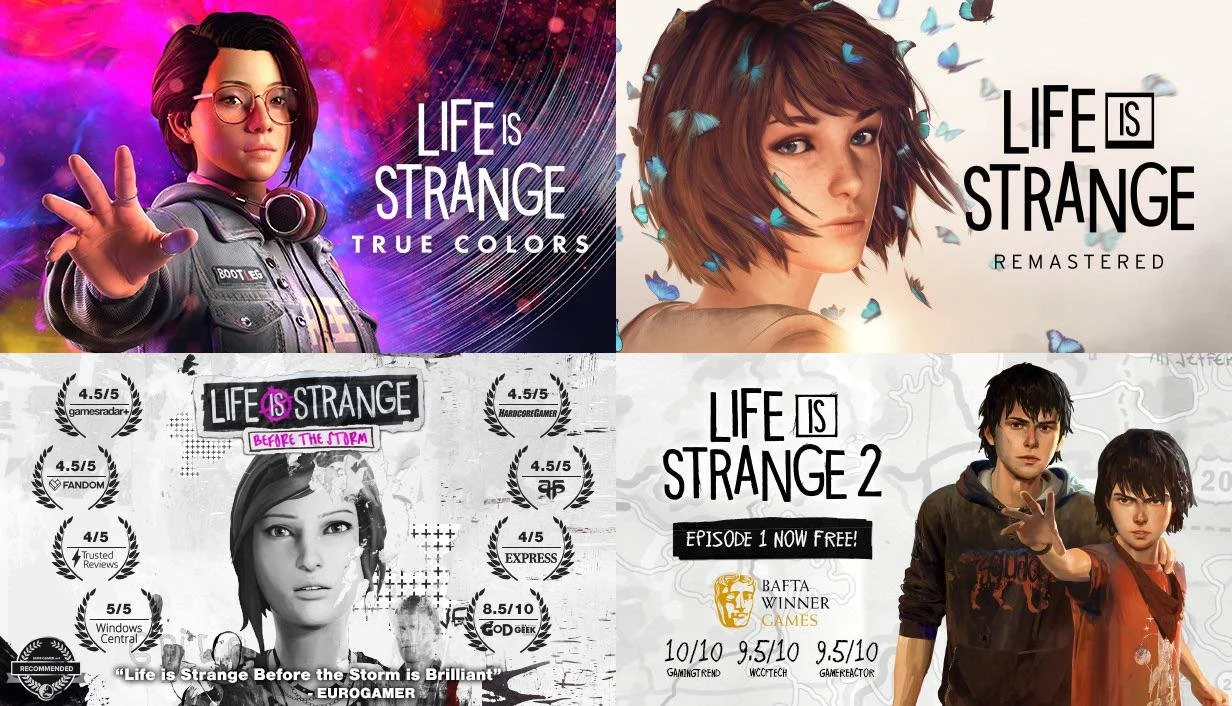
At the same time, that excitement came with hesitation. Looking back at the series, it’s hard to ignore that the reception has gradually declined. While Life Is Strange: Before the Storm managed to preserve much of the original’s emotional strength, later entries felt increasingly fragmented and less impactful.
Why the First Game Worked So Well Emotionally
The power of the original game wasn’t just in its themes of friendship, regret, and growing up — it was in how those themes were embedded into gameplay systems. The time-rewind mechanic wasn’t simply a puzzle tool; it reinforced Max’s fear of making irreversible mistakes and her desire to protect people she cared about.
Player choices were never framed as right or wrong. Instead, they felt like emotional trade-offs, forcing players to live with consequences that felt personal. More importantly, many of these decisions revealed the complexity of human behavior — fear, selfishness, loyalty, hesitation, and love often existed at the same time. This complexity is what made each character feel real rather than symbolic, and it is also what allowed players to form a strong emotional connection with both the characters and the world.
Small everyday moments slowly built relationships, making later dramatic events feel earned rather than forced.
Where Later Games Started to Fall Apart
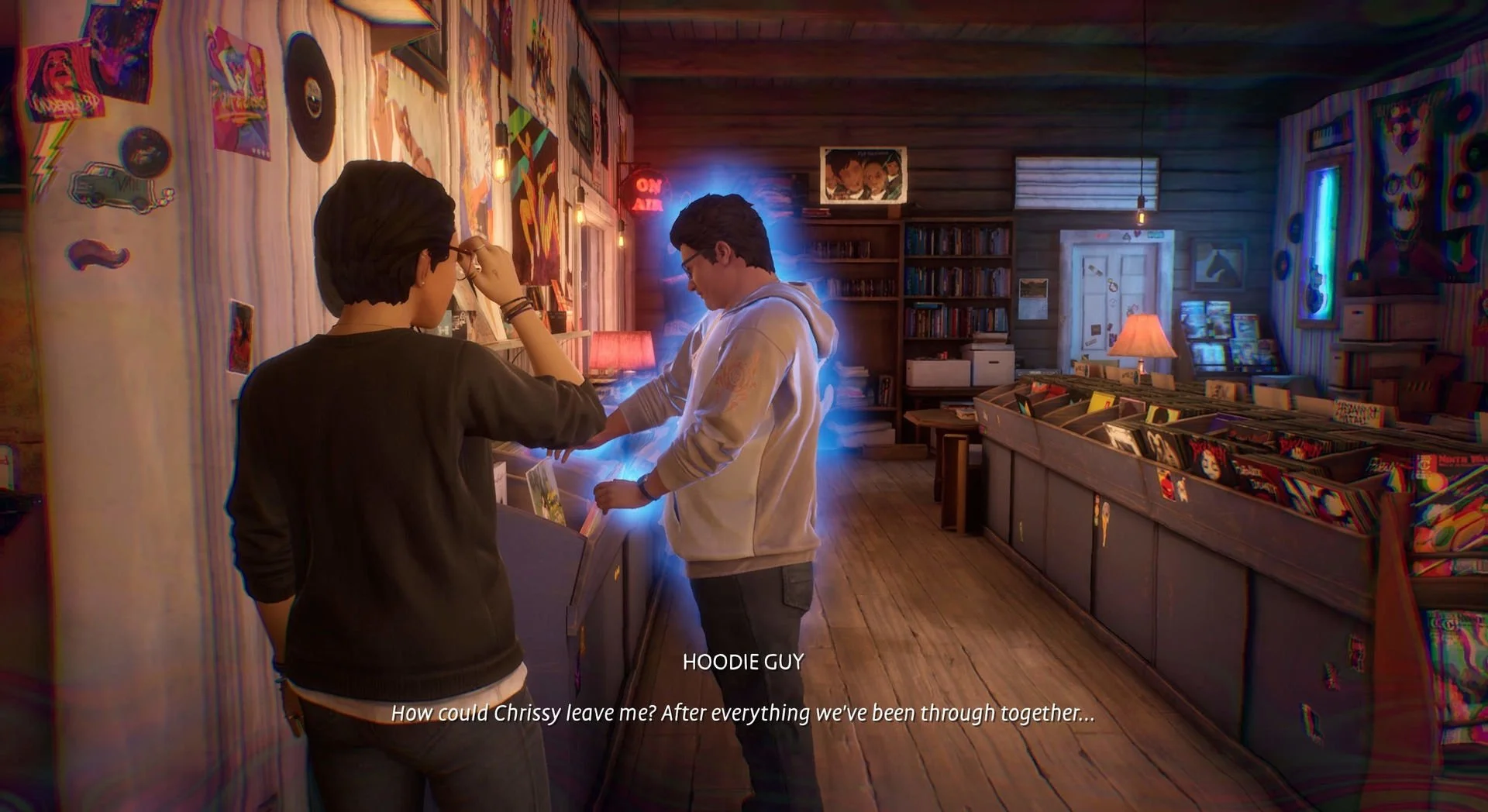
In Life Is Strange: True Colors, the decline becomes visible through weak narrative pacing and shallow emotional buildup. While many players appreciate the soft art style, warm lighting, and strong music, these elements are unable to compensate for a story that feels thin and poorly structured.
The main plot is simple and familiar, but more importantly, it lacks emotional momentum. Large portions of the game focus on casual activities with little narrative progression, creating a strong sense of disconnection between dramatic moments and everyday scenes. Because key relationships are not developed through meaningful shared experiences, romantic arcs and emotional climaxes feel rushed and unearned.
Instead of letting tension slowly build, the game relies heavily on sudden twists and dramatic confrontations, which lack impact due to insufficient setup. Even player choices have minimal influence on the outcome, making the emotional journey feel predetermined rather than personally shaped.
From a design perspective, True Colors prioritizes atmosphere over emotional structure. While the world feels pleasant to exist in, the systems fail to support deep emotional investment.

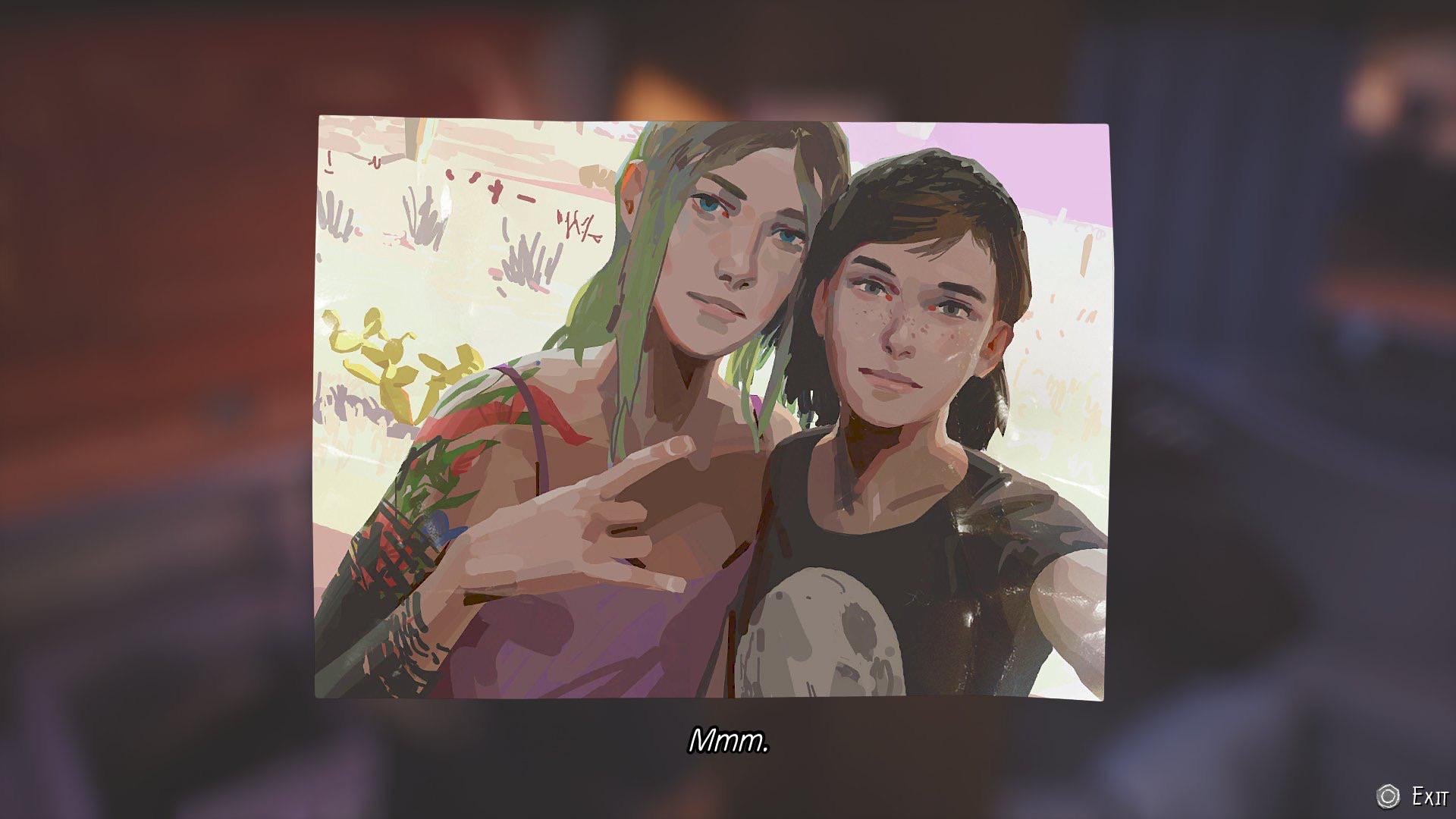
The problems deepen in Life Is Strange: Double Exposure, particularly through its treatment of returning characters and past relationships.
Max’s return should have provided strong emotional continuity, but instead her previous growth and bonds are largely reset. Rather than allowing players to experience how time and trauma changed her relationships, the story abruptly rewrites them. The forced separation between Max and Chloe feels less like organic character development and more like a narrative shortcut.
New emotional connections are also introduced without sufficient buildup. Characters are framed as deeply important almost immediately, yet players are given too few meaningful moments to form a genuine attachment. As a result, dramatic revelations and conflicts feel hollow.
Another shift appears in how characters are written. Where the original game explored emotional contradictions and moral ambiguity, Double Exposure often replaces complexity with simplified identity traits. Characters begin to feel like narrative symbols rather than human beings with layered motivations.
Combined with the continued loss of impactful player choice, the experience becomes increasingly scripted and emotionally distant.
The Shift from Emotional Systems to Emotional Display
Across the later entries of the series, a clear design shift begins to appear. Instead of allowing emotions to emerge from player interaction and consequence-driven systems, the games increasingly rely on scripted scenes to deliver emotional moments directly.
In the original Life is Strange, emotion was built through participation. Players rewound time, made difficult trade-offs, and slowly shaped relationships through everyday choices. The emotional weight came from responsibility and uncertainty. Later games replaced this structure with cinematic storytelling, where drama happened on screen rather than through player action.
As a result, relationships were often told instead of developed, and emotional consequences were shown instead of felt. While the presentation became more polished, the experience became less personal, weakening the connection between players and the story.
Designing for Emotional Investment, Not Just Emotional Impact
To avoid this decline, later games could have focused on rebuilding emotional systems rather than increasing cinematic intensity.
Strong emotional storytelling requires mechanics that support:
gradual relationship development through repeated interaction
meaningful choices with lasting narrative consequences
emotional tension created through uncertainty and responsibility
fewer but deeper character arcs
Instead of rushing toward dramatic twists, allowing emotions to accumulate naturally would have preserved authenticity and player attachment.
Why Emotional Design Needs Structure to Survive
The gradual decline of the Life is Strange series highlights an important lesson in game design: emotional storytelling cannot rely on writing and presentation alone. It must be supported by systems that allow players to participate, invest, and feel responsible for outcomes.
The original game succeeded because it turned everyday decisions into emotional experiences. Later entries struggled because they shifted toward delivering emotion rather than letting players live it.
If future titles hope to recapture the series’ emotional impact, they must return to designing for emotional agency — where relationships grow through interaction, and where choices genuinely shape the story.